Tegelsten som formar framtidens hållbara stad

Brick has accompanied humans for millennia, but right now the material is experiencing an unexpected renaissance. As municipalities, architects and property owners seek more sustainable and long-term solutions, the classic brick wall is emerging as a modern response to both climate challenges and demands for comfort in the urban environment .

Brick is no longer just a nostalgic nod to older neighborhoods. It becomes an active tool as cities plan dense, functional, and aesthetically cohesive areas where people want to live and work.

From raw clay to climate-smart facade

The journey from clay soil to finished brick wall is more technologically advanced than many people imagine. The clay is carefully selected, shaped and fired in kilns that are now often digitally controlled to optimize energy use. The result is a hard, weather-resistant material with a very long lifespan .

In a time when the construction sector accounts for a significant part of the climate impact, every choice of material becomes important. Brick should therefore not only be seen as a traditional solution but as part of a circular strategy. A brick facade often lasts for generations, and the building rarely needs extensive renovations. This saves both resources and money over time .

At the same time, production is evolving. More efficient kilns, better waste recycling and the use of renewable energy are reducing the carbon footprint per brick. This makes the material interesting compared to short-lived facade solutions that require frequent maintenance and are often replaced after a few decades.

Urban environments that age with dignity

One of brick’s greatest strengths is how it ages. Where many modern materials fade, crack or lose their surface layers, brick takes on a patina that is often perceived as beautiful. It contributes to areas that feel stable and secure, even when they are relatively newly built .

Urban planners who want to create long-term environments are increasingly prioritizing facades that can withstand both climate and trends. Brick offers visual continuity, whether used in neighborhoods with classic enclosed courtyards or in more open, contemporary building volumes .

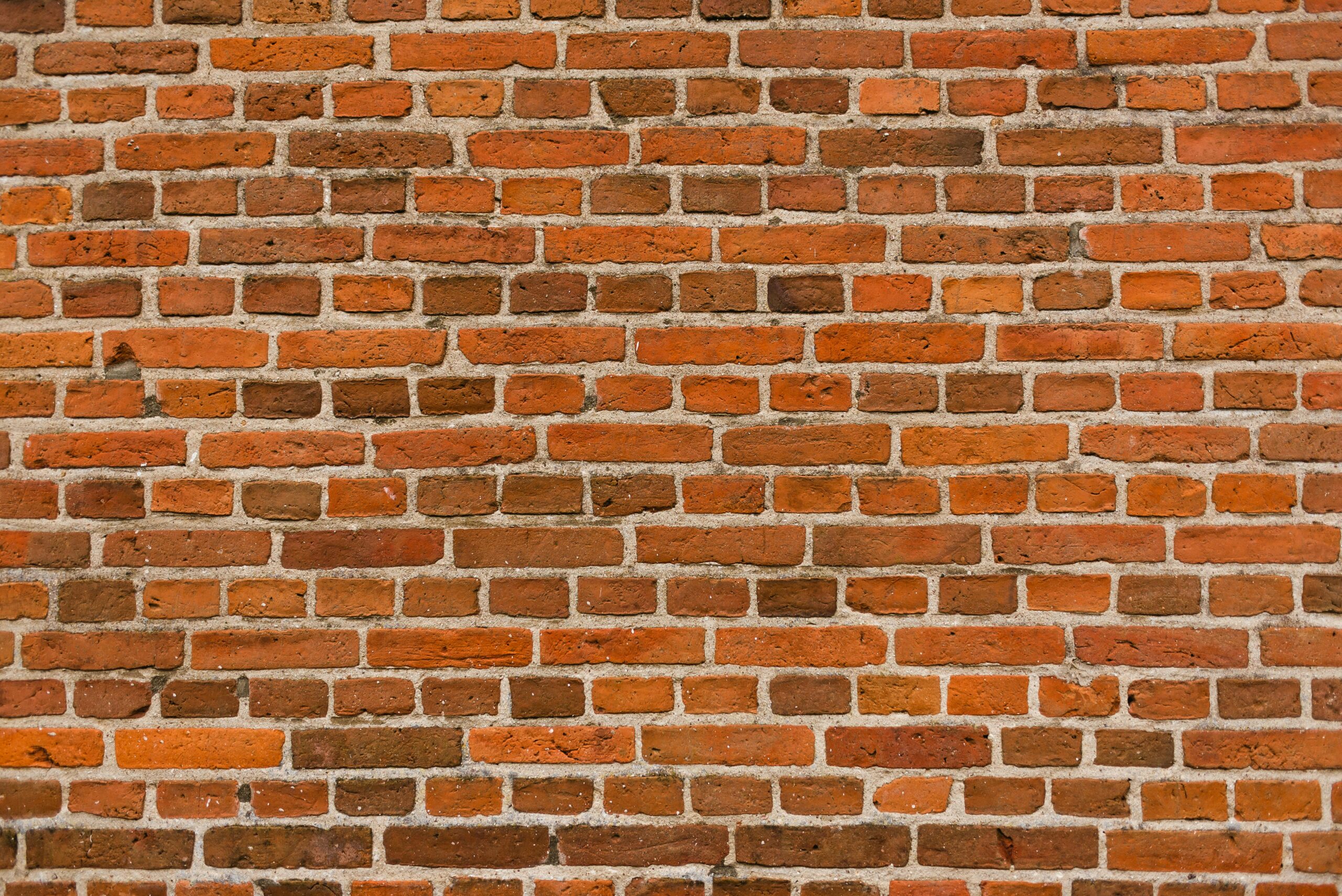
The color scale also plays a big role. Red, yellow, brown, almost black – the variation is great, and by combining different shades it is possible to create blocks with a clear identity without the whole becoming cluttered. Small differences in grout color, bricklaying technique and pattern also give architects the opportunity to work with details that are only visible when you get close to the facade.

Indoor climate and robust everyday life

Brick does more than just clad the exterior of a building. The material contributes to a stable indoor climate, especially when used as a load-bearing or interior wall. Brick stores heat and cold, which evens out temperature fluctuations throughout the day. This reduces the need for heating in winter and cooling in summer, something that is becoming increasingly important as energy prices move rapidly  .

The robustness is also noticeable in everyday life. Brick walls withstand impact, weather and wear. In schools, healthcare buildings, apartment buildings and offices, this means fewer damages and less maintenance. For managers and property owners, this means lower operating costs and more predictable budgets .

The acoustic environment is another factor. Brick dampens noise, both between apartments and towards the street. In dense urban areas with traffic, outdoor cafes and public transport, this becomes a clear quality for those who live or work in the buildings.

Aesthetics, identity and sense of place

When a city grows rapidly, there is a risk that new neighborhoods will be perceived as anonymous. Brick offers a tool for creating a clear sense of place. By linking to local colors, historic buildings or industrial environments, it is possible to build new without completely breaking with what already exists .

In many port and former industrial areas, brick is used to connect old warehouses with new housing and offices. Old factory facades are preserved and complemented with modern extensions where brick is combined with glass and metal. The result is environments where the old is not torn down, but integrated into a new whole .

Even in smaller towns, brick plays a role. When new schools, sports halls or health centers are built, municipalities often choose brick to signal stability and long-term commitment. The buildings should stand for a long time and feel as natural in thirty years as they did when they were inaugurated.

Digital planning meets traditional material

Digital tools are changing the way architects and engineers plan brick projects. With the help of BIM models, it is possible to simulate both construction, energy performance and pattern details before the first brick is laid. This reduces the risk of errors and makes it easier to optimize material consumption  .

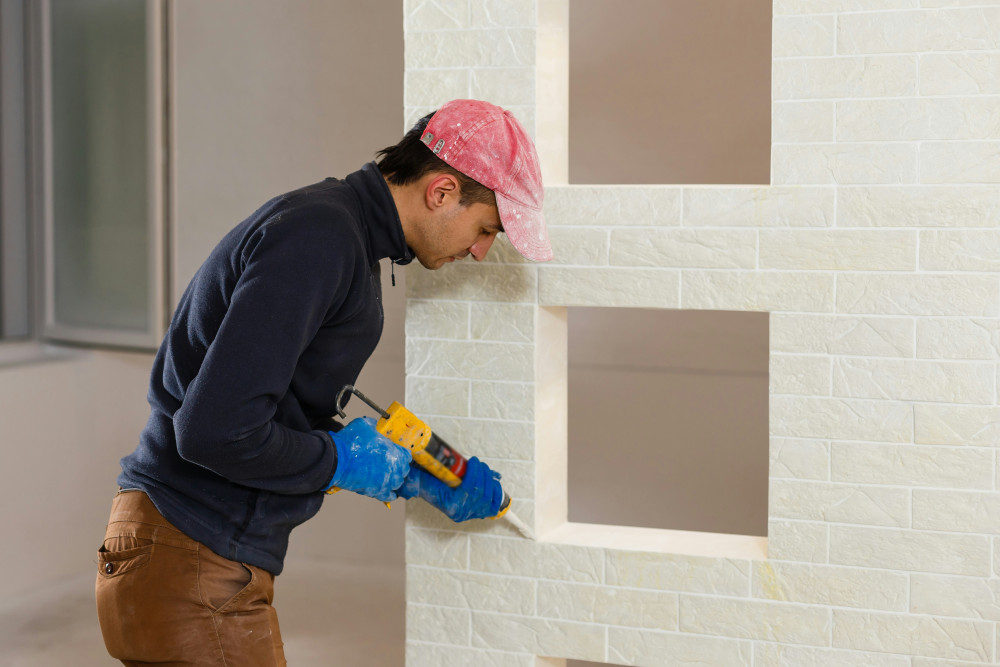
At the same time, brickwork still requires craftsmanship. Bricklayers, site managers and designers must work closely together to ensure quality in execution. The combination of digital precision and practical experience results in projects where both form and function are of a high standard .

For the education system, this development means updating traditional professions. New generations of bricklayers are learning to work with lasers, digital drawings and advanced scaffolding systems, while also passing on knowledge of bricklaying techniques that have been used for centuries.

The brick of the future: More than just a wall

Developments do not stop at classic facades. Research is underway into bricks with improved insulating properties, integrated ventilation ducts and surfaces that reflect more sunlight to counteract urban heat islands.

There is also experimentation with recycling, where bricks from demolition sites are cleaned, sorted and reused in new projects. This further extends the life cycle of the material, while also carrying the history of older buildings into the next generation of houses .

As cities plan for denser housing, climate adaptation and more sustainable material choices, brick is likely to continue to play a central role. The combination of technical performance, aesthetic flexibility and proven durability makes brick more than just a building material – it will become a fundamental part of the story of how the city of the future is shaped, layer by layer.

support@onlinenu.se